
Diagnosis first
A cold radiator is a symptom, not a diagnosis
Cold at the top usually means air, and bleeding it takes two minutes. Cold at the bottom usually means sludge, and bleeding it will do nothing at all. One radiator cold while the rest are fine often points at a seized valve. Every radiator lukewarm points at the pump or the boiler.
Getting that right first is the difference between a twenty minute visit and a power flush you did not need. We work out which one it is before we quote you for anything.
What we deal with
- Radiators cold at the top, the bottom, or completely
- Sludge and corrosion, including power flushing and magnetic filters
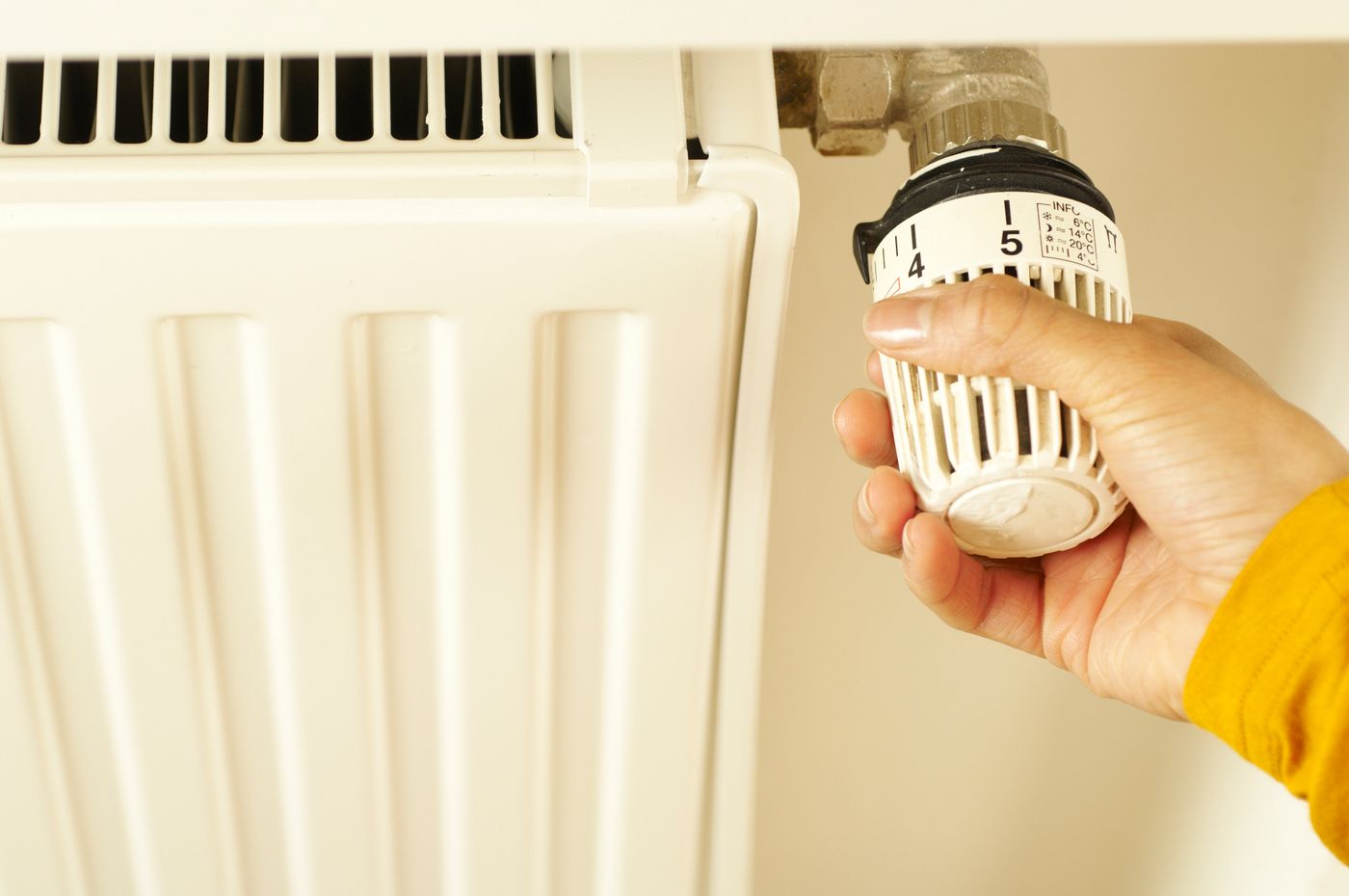
- Seized or leaking radiator valves, and thermostatic valve upgrades
- Banging, ticking and kettling pipework
- New radiators, moved radiators and heated towel rails
- Balancing a system so the far end of the house heats up too
- Electric heating and immersion elements where there is no gas supply
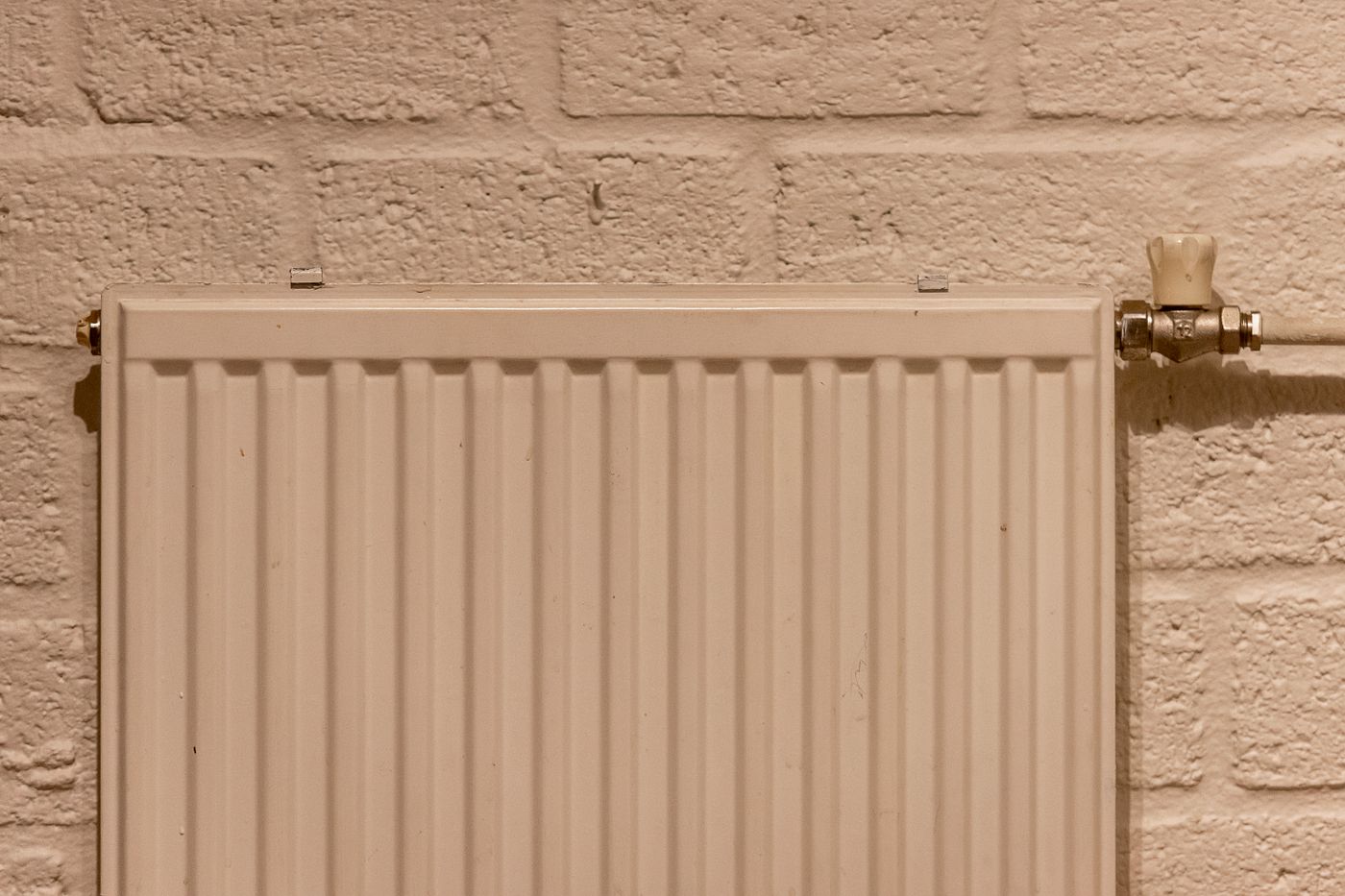
Power flushing
Useful when it is needed, a waste of money when it is not
Over years, rust and debris build up inside radiators and pipework as a black sludge. It settles in the bottom of radiators, blocks flow and makes the boiler work harder for less heat. A power flush pushes it out with water and cleaning chemicals.
Signs you might need one
Radiators cold along the bottom, dirty black water when you bleed them, cold spots that come back after bleeding, or a boiler that keeps cutting out on overheat.
Signs you probably do not
A system under about eight years old with clean bleed water and one radiator misbehaving. That is usually a valve or trapped air, and flushing it will not help.
What we do afterwards
Fit a magnetic filter if you do not have one and dose the system with inhibitor, so it does not silt up again in three years. Otherwise you are paying for the same job twice.
Getting more out of what you have
Turning the temperature down can make the house warmer
Most combi boilers in London homes are set to run far hotter than they need to. Turning the flow temperature down and letting the system run longer at a lower temperature usually costs less to run and heats more evenly, because the boiler actually condenses the way it was designed to.
It costs nothing to adjust, and we will show you where the setting is rather than keep it to ourselves. Add thermostatic valves and a decent room thermostat and most homes get a noticeable improvement without touching the boiler at all.
Common questions
Heating questions we get asked
Why is one radiator cold when the rest are hot?
Usually a seized valve or the system being out of balance, so water takes the easy route and skips that radiator. Both are quick to sort. If it is cold along the bottom only, it is sludge sitting in the base of the radiator instead.
How often should radiators be bled?
If you are bleeding them more than once or twice a year, something is letting air in, and that is worth investigating. Air appearing repeatedly often means a small leak somewhere, or a problem with the expansion vessel.
Do I need a new heating system or just repairs?
In most London flats and terraces the pipework is fine and it is the radiators, valves or controls that are letting things down. Full system replacement is a genuine need far less often than people are told.
Can you add a radiator to an existing system?
Usually yes, as long as the boiler has the capacity for it. We check that first, because adding a radiator to a system that is already at its limit just makes every other room cooler.
House not getting warm?
Tell us which radiators are cold and where they are cold, top or bottom. That one detail usually tells us what the job is before we arrive.